As the world moves towards sustainability, IT operations and digital workspaces are becoming critical in achieving corporate sustainability goals. The digital transformation of businesses—especially in light of hybrid and remote working models—has increased the demand for IT infrastructure, which in turn raises concerns about energy consumption, carbon emissions, and environmental impact. While digital workspaces offer enhanced flexibility and productivity, they also contribute to the overall carbon footprint of an organization. Therefore, tracking and reporting energy consumption in digital workspaces play a pivotal role in achieving IT sustainability.
In this blog, we’ll explore how monitoring energy consumption in digital workspace services addresses environmental concerns, promotes efficient resource utilization, and helps minimize the environmental footprint of IT operations.
The growing role of IT in sustainability
The IT sector is a significant contributor to global energy consumption, primarily due to data centers, cloud services, hardware, and network infrastructures. As more companies adopt digital workspaces, the carbon footprint associated with powering devices, cloud computing, and data transmission grows. According to a 2022 report by the International Energy Agency (IEA), data centers and data transmission networks alone account for around 1% of global electricity use, and this is expected to increase with the rise of remote working solutions.
Digital workspaces, which provide seamless connectivity and access to virtual environments, offer clear productivity advantages, but they also consume a considerable amount of energy. Cloud services, virtual desktops, and collaborative tools such as video conferencing systems require vast computing power. This reliance on digital technologies underscores the need to incorporate IT sustainability into broader corporate environmental goals.
To meet these goals, organizations are increasingly turning to digital workspace sustainability initiatives that focus on reducing energy consumption, optimizing resource usage, and tracking the environmental impact of IT services. Key to this effort is the ability to measure and monitor carbon emissions generated by IT operations.
Tracking carbon and energy consumption
One of the most effective ways to achieve IT sustainability is through continuous monitoring and reporting of carbon and energy consumption within digital workspaces. By tracking energy consumption patterns, organizations can better understand where inefficiencies lie, how resources are being utilized, and what changes can be made to minimize environmental impact.
1. Monitoring energy consumption
Energy consumption in digital workspaces is typically measured by assessing the energy usage of devices (such as laptops, desktops, and servers), network infrastructure, and data centers. For example, virtual desktops, while more energy-efficient than traditional setups, still consume significant energy when scaled across large organizations. Monitoring these consumption levels allows businesses to identify inefficiencies, such as underutilized servers, or devices running at full power during non-operational hours.
Tracking the energy use of cloud services is equally critical. Many organizations rely on cloud-based infrastructure, which is housed in large data centers. These facilities require substantial power for cooling systems, servers, and storage, which directly contributes to an organization’s carbon footprint. The energy efficiency of these data centers can vary widely, depending on the provider’s technology, operational practices, and region. Using software tools to track cloud energy consumption, organizations can select services with lower energy demands or optimize their use of resources through cloud-native architectures.
2. Tracking carbon footprint
After the energy consumption is quantified, it can be translated into carbon emissions. Carbon footprint tracking tools, often integrated with existing IT management systems, allow organizations to calculate the greenhouse gas emissions associated with their digital workspace services. By doing so, businesses gain insights into how their IT infrastructure contributes to Scope 1, Scope 2, and Scope 3 emissions.
Scope 1 emissions: Direct emissions from owned or controlled sources, such as on-premise data centers.
Scope 2 emissions: Indirect emissions from the consumption of purchased electricity, heating, and cooling.
Scope 3 emissions: All other indirect emissions, including those from third-party cloud providers or virtual service vendors.
Understanding the impact of digital workspace services across these scopes is essential for developing an effective sustainability strategy. Cloud providers such as Microsoft, Amazon Web Services (AWS), and Google Cloud offer sustainability reports that include details on the carbon emissions linked to their services, enabling organizations to make more informed decisions when selecting digital tools.
Enhancing resource utilization and minimizing environmental footprint
Tracking and reporting carbon and energy consumption are not just about reducing emissions but also about optimizing resource utilization. Digital workspace services, when efficiently managed, can lead to significant reductions in energy consumption. Here are some ways to track energy consumption, thereby enhancing resource utilization and reducing environmental footprints:
Virtualization: By adopting virtual desktops and cloud services, organizations can consolidate IT resources, reducing the need for physical hardware and minimizing the energy required to run and cool multiple devices.
Power management policies: Implementing power management settings such as turning off devices after business hours, scheduling downtimes for servers, and utilizing energy-efficient hardware, helps lower overall energy consumption.
Sustainable cloud choices: Choosing cloud providers with a commitment to sustainability, that is, those that rely on renewable energy sources and employ energy-efficient practices, can reduce the carbon footprint of digital workspaces. For instance, AWS offers a carbon calculator that helps customers estimate the carbon impact of their workload and encourages the use of energy-efficient regions.
Green software development: Software solutions that are designed to minimize energy consumption contribute to more sustainable IT operations. Efficient coding, low-power algorithms, and resource optimization reduce the energy required for software operations.
Why does reporting matter for IT sustainability goals?
Reporting on energy consumption and carbon emissions is an essential step in any sustainability initiative. It allows organizations to:
- Identify trends in energy use and emissions, which can guide future sustainability efforts.
- Set measurable targets for reducing energy consumption, such as transitioning to renewable energy sources or achieving carbon neutrality.
- Demonstrate accountability to stakeholders, including investors, customers, and regulatory bodies, by showing commitment to environmental responsibility.
- Support compliance with environmental regulations and standards such as ISO 14001, which emphasizes continuous improvement in environmental performance.
Organizations that report their energy consumption and carbon emissions are better equipped to make data-driven decisions that support their IT sustainability goals. This transparency also allows businesses to align their operations with broader Corporate Social Responsibility (CSR) initiatives and sustainability reporting frameworks, such as the Global Reporting Initiative (GRI) or the Carbon Disclosure Project (CDP).
How can we help?
Sustainability is not just a trend; it’s a responsibility. To help you achieve your IT sustainability goals, we offer a comprehensive digital workspace capability that tracks and reports energy consumption and carbon emissions. Our tools allow you to monitor your IT infrastructure’s environmental impact and implement strategies to optimize energy use. By working with us, you can reduce your carbon footprint, enhance resource utilization, and contribute to a more sustainable future for IT.

Reporting
- View energy consumption 7/15/30-day trend
- View equivalent CO2 emission factor (per the UK and the US standard definitions)
- Report on energy consumed by individual peripherals such as CPU, RAM, and display.
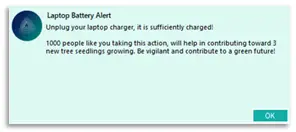
Employee engagement
To encourage sustainable business practices for the workplace, employees are regularly notified of their device’s charging status and recommendations are sent out as alerts to the device.
- Notify end-user to stop charging once device is charged above 80%, encouraging efficient energy usage
- Notify end-users to start charging once device charging level drops down to 20%.
Start your sustainability journey today by reaching out for a consultation. Let us help you track, report, and reduce your digital workspace’s environmental impact—one step closer to achieving your IT sustainability goals.